

PECS methodology/courses for adults with LD – PYRAMID LEARNING CENTER

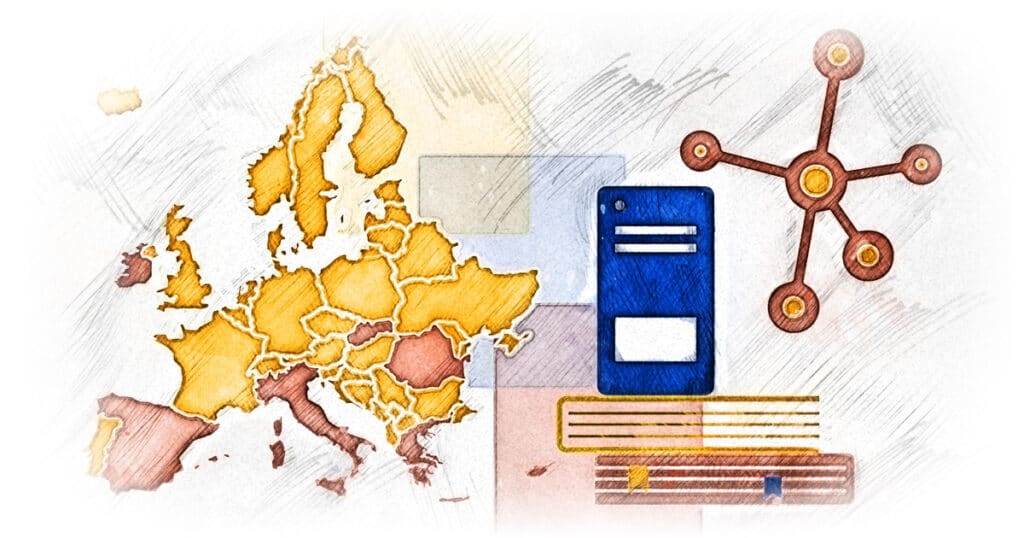
Country Studied: Romania
Area of Focus: Language, Reading, Spelling/ Writing, Multi sensory
The Pyramid Learning Center is an Learning Association from Bucharest and the only accredited center in Romania that implements the PECS method and the Pyramid Approach to Education.
Pyramid Learning Center has a personalized approach for every young person/adult and children. Therapy and the working methods are adapted to the specific needs of the learners. The center serves children and young people/adult with LD (learning difficulties) in order to help them to improve their abilities, to better communicate, to better respond and initiate interactions despite diagnoses and barriers caused by them.
The trained and devoted therapists of the association bring joy and hope to the lives of dozens of families. The specialists are dedicated and trained to the highest standards, to change the lives of children and adults through quality intervention, giving them the chance to develop the skills necessary for a good adult life as independent and happy as possible or even for reach competences necessary for a job. Pyramide Learning Association do this by implementing the most current methods of intervention and therapy that are validated internationally.
The objective is to turn disability into skill by providing quality education, perseverance in therapy and love for each beneficiary. The approach is based on the individual and personalized needs of each person. Therapy and work pace are adapted to their needs and not the other way around.
The best practice presented in PYRAMID LEARNING CENTER is the PECS (Picture Exchange Communication System) methodology that allows people with little or no communication abilities to communicate using pictures. People using PECS are taught to approach another person and give them a picture of a desired item in exchange for that item. By doing so, the person is able to initiate communication. A child or adult with LD from autism spectrum can use PECS to communicate a request, a thought, or anything that can reasonably be displayed or symbolized on a picture card. PECS works well in the home or in the classroom.
The PECS methods system are being used daily to children, young teenagers and adults with LD difficulties. Several studies have shown PECS actually helps people develop verbal language.
Studies have also shown that PECS can decrease tantrums and odd behaviors.
At the PYRAMID LEARNING CENTER, everybody who comes here starting from children, young teenagers and adults with LD difficulties have courses during all day, and can differ from individual starting from its typology and learning rhythm. It also contains breaks and free outside activities.
The special classroom includes:
- lots of images for the sensory stimulation;
- specific objects in order to develop some skills;
- practical applications;
Basically, the Picture Exchange Communication System (PECS) is an augmentative and alternative communication (AAC) system (i.e. a communication method other than speech) that involves the physical exchange of pictures to communicate with another person for the purpose of requesting or commenting. It was originally developed for use with preschool children with autism spectrum disorder and other related developmental disabilities, but nowadays it is used and applied with good results in teaching LD children and aduls.
PECS is an intervention method that meets the criterion of “evidence-based practice“, evidence-based practice like all other methods of intervention under the umbrella of ABA All studies in the field conducted so far prove the effectiveness of the method in acquiring functional communication skills and language development.
PECS can be an alternative communication system for those who do not use voice language to communicate, or an augmentative communication system for those who use voice language but it is not functional. Recent studies have shown that students who use PECS under the age of 6 for 1 year have an 85% chance of developing functional language.
PECS is used successfully around the world by people aged between 14 months and 85 years.
The PECS Protocol occurs in six phases:
Phase 1 – how to communicate
Phase 2 – distance and persistence
Phase 3 – discrimination between symbols
Phase 4 – using phrases
Phase 5 – answering a direct question
Phase 6 – commenting
Depending on the age and cognitive level of the user, the time to master PECS will vary. One study found that it takes an average of 246 trials for users to master all six phases of PECS.
It is held in the PYRAMID LEARNING CENTER in the day center opend for everybody who need this type of services.
Through the PECS methods and continuous training from professional personnel, adults with LD difficulties are getting a skill that can help them work and have a job.
There is no qualification, the LD adults develop specific skills and competence. At the end of the course a participation certificate is issued.
Length of course that good practice is part of; If different type of setting brief description of what it is; Are there any prerequisites for entry to the course?
Generally, professional personnel works all day long with LD adults in order to have a sooner and good results (from 09.00 to 13.00 and then from 14.00 to 17.00). At theory sessions there are common group session all day long, only little breaks, such as for lunch, snacks. The learning and teaching is continuously – also in theory but also in practice.
After 5 o clock there are free activities that are chosen by themselves in which they discover new skills.
In conformity with the final objective of the course, the participants are identified and the groups of children or adults created. The course could also be individual. To take part to this course the LD, the therapist is evaluated first the LD and the specific need of the person.
There are also individual lesson (at request), but also group. The period is evaluated by the psychologist and depends very much on the LD level and depends on the adult that can receive and understand the information, sooner or later in conformity with their learning rhythm.
The teaching principles embedded in this programme are structured in conformity with PECS methodology described above, in conformity with the level of understanding of the LD adults.
For this best practice the type of learner that is supported is a lifelong learning, because it starts from early ages till adult period, and never stops. In a period of 2 years, adult teenagers know how to embrace their daily activities and to be self-aware of their life
The adults with learning difficulties are being evaluated through all their period of learning, it depends very much on their learning rhythm and individual typology.
They are evaluated through the surveillance also at the end of the programme, for at minimum 1 year period.
With the help of a multisensory course, methods and practices, the children and teenager adults develop their visual, speaking and vocabulary skills resulting in better future learning in all areas.
The goal of PECS methodology is spontaneous and functional communication.
The assessment is made through the continue communication between the LD adult and teacher.
With the help of a multisensory course, methods and practices, the adults develop their speaking, writing, spelling and vocabulary skills for better future learning in all areas.
The main resources used were:
- Human resource – being the most important one in the methods used;
- Material resource – using all the materials that were at the center in order to apply the methods used;
- Financial resource – that is common to the Human resource – being the training of the qualified personnel in order to implement the specific methods.
The main purpose – that teenager adults would acquire a series of learning and behavior skills through methods that will help them develop their competence/skills to its maximum potential.
Main objectives of the best practice:
- spontaneous and functional communication
- Exercise and empowering the valuable skills needed in society
- Helping students to work on self-awareness
- Learning to take a part on different activities
- Learning how to take care of yourself and others
- Increase of the sensory
- A more improved communication
- Getting employed on companies
- Learning a foreign language
We considered PECS methodology/courses for adults with LD (intellectual disabilities, ADD/ADHD, autism spectrum disorders, social phobia, speech disorders, dyslexia and other form of functional variations) in PYRAMID LEARNING CENTER as a Good Practice because we can have results of the process for the participants, such as:
- Improve of the spontaneous and functional communication
- Improve of the vocabulary and speaking skills
- Integration of adults with LD difficulties into society
- Getting jobs on companies, such as factories, embassy working labour
- Good communication level
PECS is an intervention method that meets the criterion of “evidence-based practice“, evidence-based practice like all other methods of intervention under the umbrella of ABA All studies in the field conducted so far prove the effectiveness of the method in acquiring functional communication skills and language development.
Although PECS was developed under the Delaware Autism Program in the United States and originated in the field of autism recovery interventions, it has been found to serve as an effective
communication system for a wide range of people with language development disorders and various learning difficulties. PECS is used with people with developed Pervasive Disorder (ASD), Down Syndrome, Cri-du-Chat, Angelman Syndrome, developmental delays, speech disorders, verbal dyspraxia, echolalia, dyslexia, brain damage, and the whole the spectrum of learning difficulties.
There is evidence that PECS is easily learned by most students, with its primary benefit being a means of communication for children and adults who have limited speech due to autism spectrum learning difficulties or other communication disorders. With regard to the intervention setting for AAC training, there is evidence that PECS is most readily learned when instruction takes place in a general education setting.
The consensus among most researchers is that “PECS is recommended as an evidence-based intervention for enhancing functional communication skills of individuals with ASD. On the other hand, the 2009 National Standards Report from the National Autism Center lists PECs among emerging treatments that do not have sufficient evidence of effectiveness.
An initial concern was that PECS might delay or inhibit speech development. However, a recent review of several peer-reviewed studies found that “there is no evidence within the reviewed studies to suggest that PECS inhibited speech; to the contrary, if any effect was observed, it was facilitative rather than inhibitory.” When difficulties do arise, it is often due to a lack of powerful reinforcers and/or trainer error. A systematic review of interventions for children with autism spectrum disorder reported that use of PECS resulted in short-term improvement in word acquisition, but the effects were not maintained over time.
Research indicates that “PECS is probably best used as an initial intervention to teach manding and the basic elements of what is a communicative exchange,” and is not the best selection “for a long-term intervention as it does not address question asking and may be better implemented as part of a multimodal system for when picture communications are more socially appropriate.”
- Development of functional communication
- Improving vocabulary and language skills
- Picture exchange communication system
- Video self modelling performing a behavior
All this principles are working by creating an enjoyable environment that motivates to discovering and learning, with multi- sensory classrooms with use of images and specific ones for the children and adults.
The PECS therapy services is provided only by a board-certified behavior analyst (BCBA). To become a BCBA, the following is needed:
- Earn a master’s degree or PhD in psychology or behavior analysis
- Pass a national certification exam
- Seek a state license to practice (in some states)
- ABA therapy programs also involve therapists, or registered behavior technicians (RBTs).
These therapists are trained and supervised by the BCBA. They work directly with children and adults with autism to practice skills and work toward the individual goals written by the BCBA. As a PECS specialist, a special insurance is needed.
Other specialists tried to combine PECS training with video modeling. Video modelling (VM) is a mode of teaching that uses video recording and display equipment to provide a visual model of the targeted behaviors or skill. In video self-modeling (VSM), individuals observe themselves performing a behavior successfully on video, and then imitate the targeted behavior. Video modeling has been used to teach many skills, including social skills, communication, and athletic performance; it has shown promise as an intervention for children with autism spectrum disorders (ASD). Important practical and theoretical questions remain largely unanswered about video modeling and other forms of video-based intervention.